

E-commerce and carbon footprint: how can brands and consumers be more virtuous?
France is working towards carbon neutrality in transport by 2050. But the explosion of e-commerce seems to run counter to that environmental goal. What can brands do to encourage consumers to pay closer attention and to reduce their carbon impact? It is a sweeping debate opened up by the Conseil général de l’environnement et du développement durable (CGEDD) and France Stratégie.
In their latest report, entitled “Prospective 2040-2060 des transports et des mobilités – 20 ans pour réussir collectivement les déplacements de demain”, these two bodies invited a great many experts to examine what our mobility will look like in 20 years’ time. “What will tomorrow look like?” is the sprawling question they set out to answer.
In this article, we report back on their thinking around e-commerce (its expansion, its carbon footprint) and on their proposals for making consumers more virtuous.
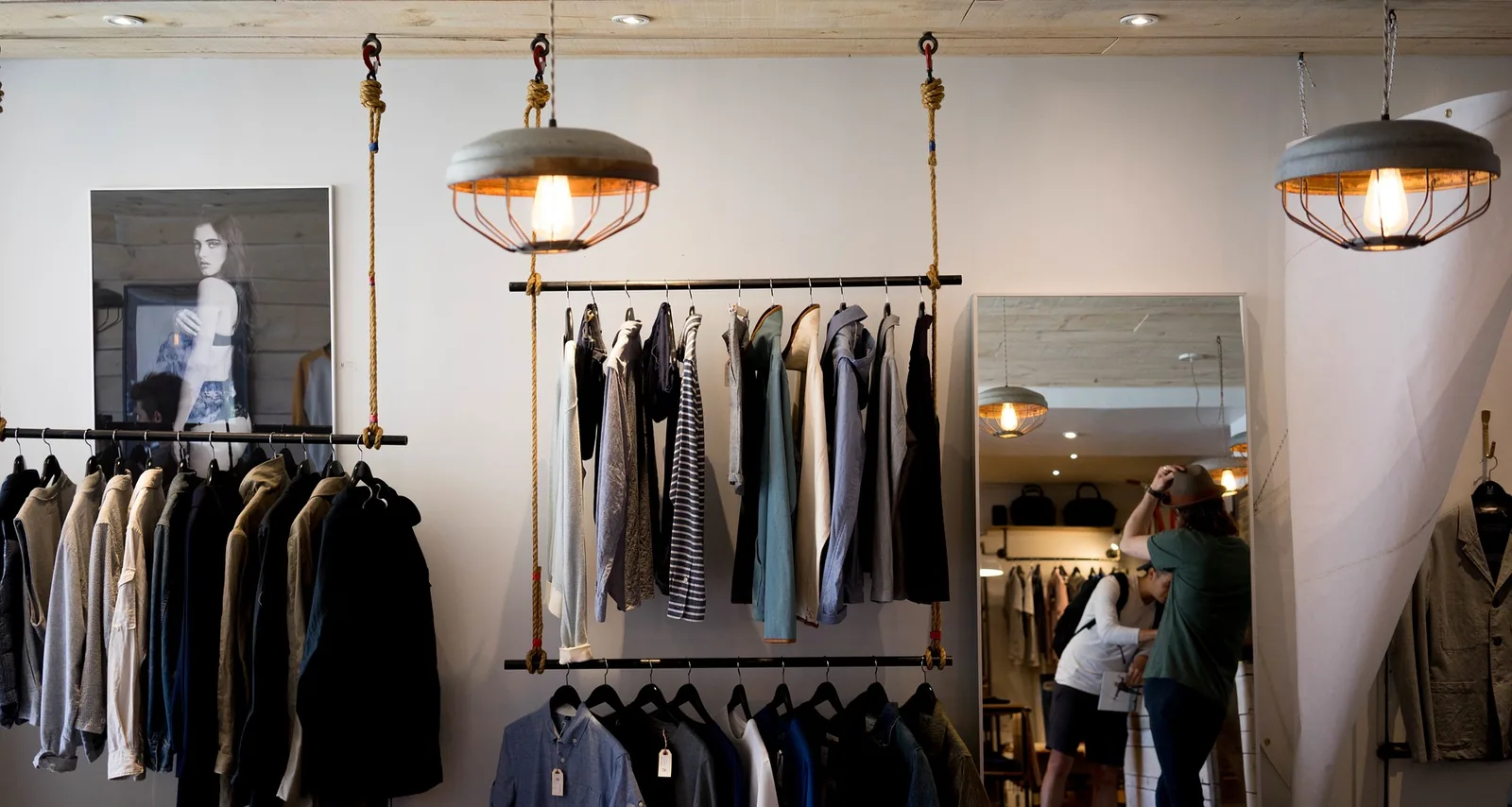
E-commerce appeared in the early 2000s and is taking an ever greater place in the lives of the French. The phenomenon has only been growing since the health crisis: according to the e-commerce and distance selling federation (FEVAD), the French spent 129 billion euros online in 2021, up 15.1% over the year. The online retail market was worth around 63 billion euros in 2020 and 46 billion euros in 2019.
It has to be said that online retail brings many advantages:
- Time saved
- The ability to buy from anywhere, whatever the time of day.
- The benefit of customer reviews, an insight that, while not perfectly reliable, is all but non-existent in other forms of retail.
As a corollary of that momentum, the volume of deliveries is exploding today, and so are their CO2 emissions. The number of parcels delivered each year on behalf of online retail is thought to exceed one billion, or around 4 million parcels a day, with peaks of 10 million over the festive season, notably at the end of the year.
These figures push us to reconsider the positive assessments put forward by online retail players on environmental matters. E-commerce is often presented as a greener alternative. A fully loaded delivery van taking an optimised route to deliver 50 parcels, for example, would pollute less than 50 individuals driving their own car to the store and back.
That said, other kinds of behaviour tend to damage that record:
- Deliveries, growing steadily, are mostly urban, which adds to congestion in the big cities.
- They very often have to be repeated because the recipient is out when the driver first calls.
- They are increasingly made to the home (85% of online retail customers choose this option). Collective solutions, and pick-up points in particular (68%), are losing ground. According to FEVAD, 85% of shoppers used home delivery in 2019, against 68% at a pick-up point, 28% for click & collect and 3% for lockers.
- The distance to be covered for delivery is increasing as warehouses move ever further out, as work by the Institut Paris Région on the Île-de-France region has shown:
- The average distance of parcel depots from the heart of Paris rose from 6.3 km in 1974 to 18.1 km in 2010.
- 69% of floor space over 10,000 m² built before 2010 was located in the outer suburbs, against 81% for the 2010-2017 period, with two thirds of the square metres built lying beyond the Francilienne ring road.
- Finally, the rate of product returns is more and more frequent. And online purchase frequency is rising while the average basket value is falling. So, whereas in 2011 the average online basket value stood at €90 for an average purchase frequency of 1.2 times a month, those figures now stand at €59, a drop of 34%, for a purchase frequency of 3.5 times a month, almost a threefold increase
These indicators show that online retail is becoming a routine act of purchase, with baskets that are small in volume as well as in value, an act of purchase made easier because the vast majority of orders are delivered to the home.
Faced with the climate emergency, we at Fitizzy believe we have to act to make this sector more virtuous. Our work on our size recommendation plugin is heading that way: towards reducing order return rates.
What action could be taken to reduce the carbon impact of brands and consumers?
While 34% of online shoppers say they are willing to pay more for a greener delivery, surveys place care for the environment last among their selection criteria. Free delivery comes top, then the place of delivery, the home being the first choice, as we saw above.
To change mindsets, the CGEDD and France Stratégie list several courses of action:
- Informing consumers of the environmental impact of delivery by offering them several delivery options for their products and by specifying which option has the lowest impact on the environment.
- Avoiding making express delivery the default option.
- Charging for delivery, and for express delivery in particular, at a price that includes its environmental impact, notably in terms of CO2 emissions, an effective way of regulating consumer behaviour and steering it towards greater restraint.
- Encouraging good ordering habits, by refraining from pushing consumers to order several versions of the same product only to keep one of them, and by putting tools in place to encourage consumers to limit their returns.
- Improving the environmental record of online retail by restricting access to urban areas to vehicles emitting fewer fine particles and less greenhouse gas.
Fitizzy’s proposal
To reduce the carbon impact of brands and consumers, here is our proposal: reward “eco-responsible” customers by thanking those who are careful about returning orders, by:
- Setting up a loyalty programme,
- Offering them benefits,
- Developing a “second-hand” range…
In short, by rewarding good practice, the exception today and the norm tomorrow!
Would you like to digitalise your purchase journeys?
Contact our team to find out more about our size recommendation plugin and to book a personalised demonstration.
Request a demoSources: