

E-commerce: how to reduce your return rate
In e-commerce, product returns are one of the biggest headaches for fashion brands. A size problem, a product that isn’t what the customer expected, simply trying things on at home… There are plenty of reasons for returns, and they cost clothing businesses dearly.

Ever more shopping on the web
One remarkable step forward over the past decade: e-commerce. At the end of 2017. 85% of French internet users had placed an order online. For brands, that meant 505 million parcels shipped last year. And although the fashion market has been losing momentum over the past 10 years, e-commerce is carving out an ever-bigger place in the sector. In 2018, 46.2% of French shoppers buy fashion online.
A new playing field that is shaking up the rules and creating new shopping habits. Amazon is a case in point: it has just been named the leader in online fashion (7.6% market share on its own) thanks to key success factors on the web: low prices, express delivery and free returns.
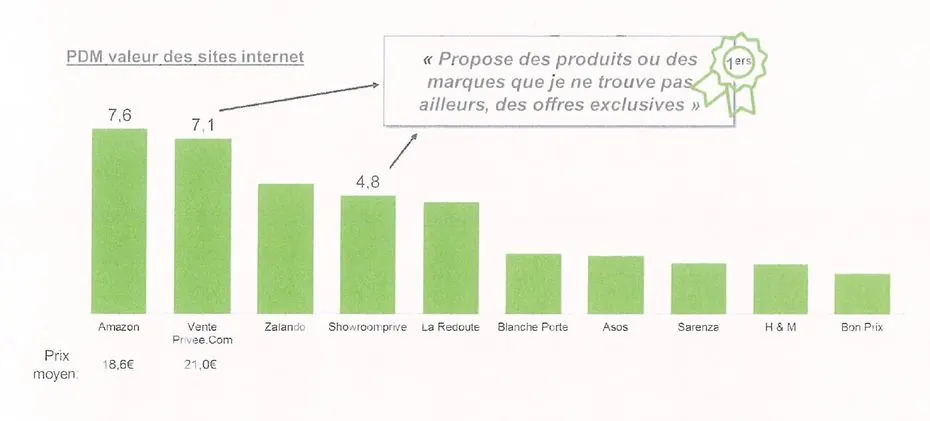
Market shares of fashion websites – Source: LSA
Today a great many clothing brands offer free returns. For shoppers it is a simple, fast, fully digital process. But selling fashion online also means running into a problem far bigger than the one you find in store: finding the right size.
Considerable costs for brands
In clothing, return rates run between 15% and 20% on average, depending on the brand. Most of those returns are down to a size problem. Shoppers order the same product in several sizes and send back, free of charge, the items that don’t fit them.
While it costs shoppers nothing (or next to nothing), the bill for brands is far heavier. A returned parcel costs the brand €15 on average. Take the returns policy of the marketplace Zalando, for example. “Try first, pay later”. Customers receive their parcel and are only charged 18 days after the order arrives. That gives them a longer window than at other retailers to return items, with no refund to wait for afterwards.
This model, so convenient for customers, doesn’t necessarily work in the German retailer’s favour. In 2017, for instance, the brand shipped 9.5 million parcels in Switzerland. Of those 9.5 million parcels, 5.7 million were sent back, that is 60% of orders. A considerable loss of money given all the refunds to be issued (to those who did not take advantage of the returns policy) and all the logistics costs involved.
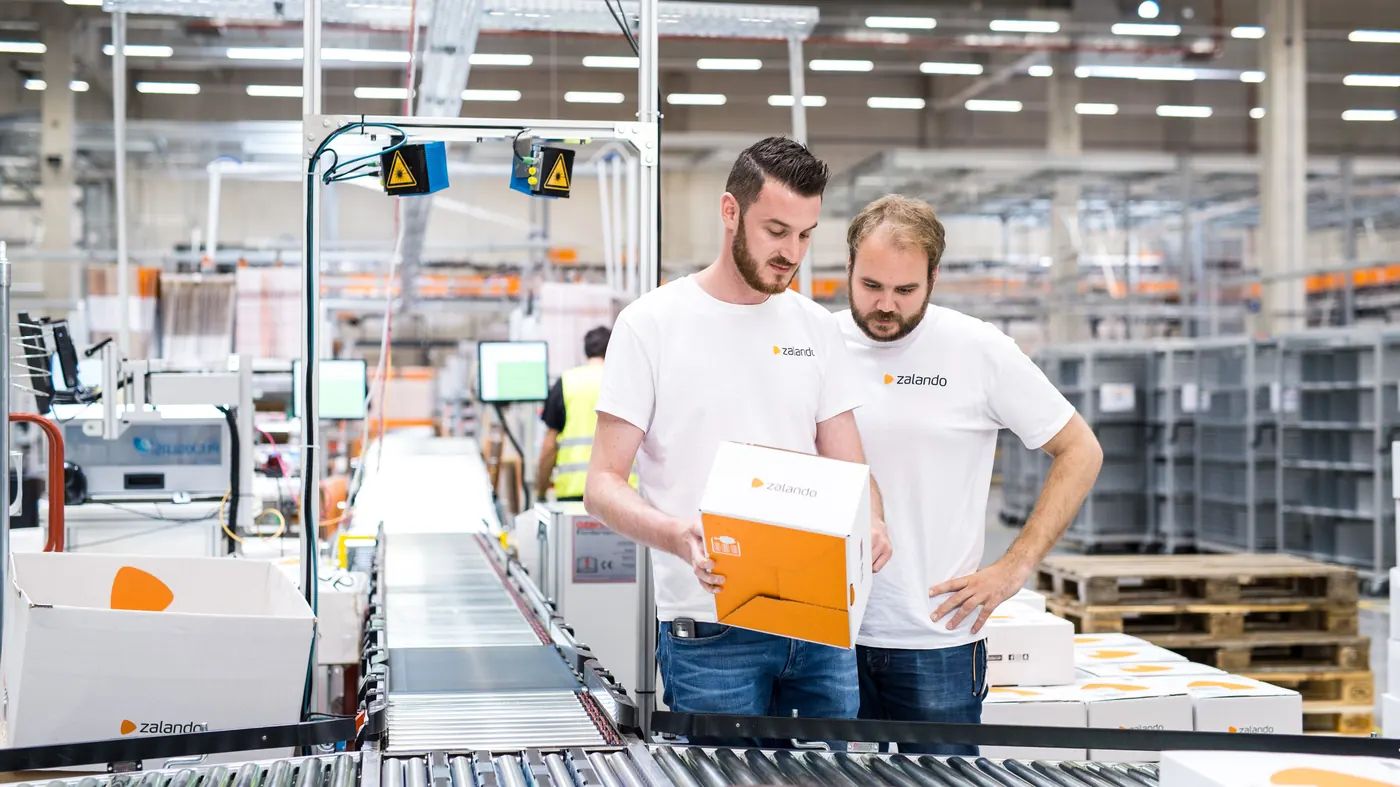
Zalando’s logistics operation
And handling the logistics of returned items is a heavy job that retailers struggle to keep under control. It is above all a supply matter, the aim being optimised, standardised management. In reality, though, only 17% of brands have a department dedicated to it today.
Yet a returns policy has to be simple, transparent and concise. 95% of shoppers would happily buy again from a brand’s website if returns are handled quickly. But on the retailer’s side, how do you bring logistics costs down while tackling the main cause of product returns?
Digital solutions for recommending the right size
To bring their return rates down effectively, brands need to be able to anticipate what their customers need. The most important thing in e-commerce is to solve the size problem for good by reassuring shoppers about their choice.
Being able to recommend the right clothing size to a customer means, first and foremost, genuinely taking their body shape into account. Digital innovations built on algorithms now make that process straightforward. How do you work out a person’s BMI without taking their measurements? Thanks to 3 pieces of morphological information (age, weight and height) and to their body shape type. All of this information, simple as it looks, makes size recommendations more accurate.
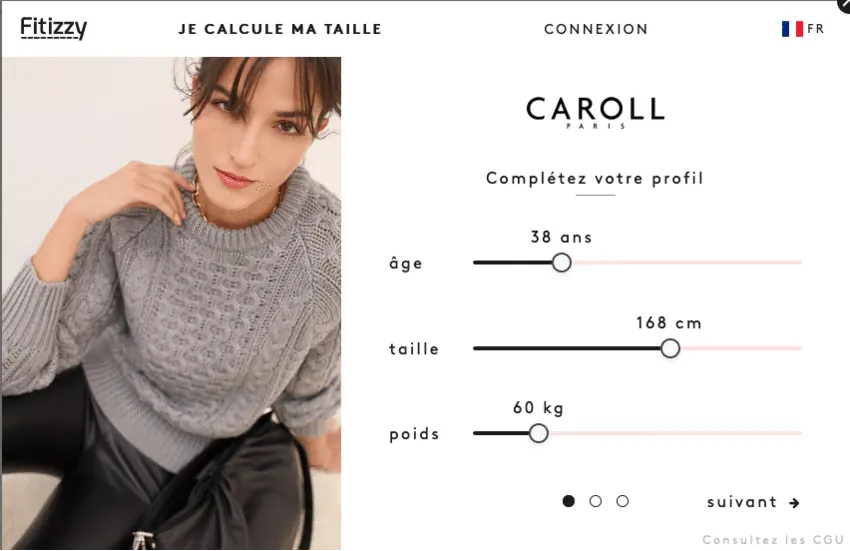
On the customer’s side, the purchase journey is personalised and easy to use. Within seconds, the customer has the size best suited to their body shape. Reassured by the size they are offered, they feel confident in their choice, and that confidence turns into a purchase. They no longer feel the need to order an extra size, which cuts the risk of returns further down the line.
Recommending the right clothing size to your online shoppers means halving your return rate. With fewer items coming back, brands can shed a heavy logistics burden and reinvest the money saved in digital solutions that improve the online customer experience.
Have you already tried a size recommendation solution? What challenges do your product returns create for you?
Contact us for an estimate of the ROI on the savings from your returns
Get in touch with our team!